

A good credit score improves your chance of being approved for a loan and affects the interest rate you’ll have to pay. It can even affect your ability to get a job, because many employers look at credit history as part of a background check. That’s why knowing how to establish and improve your credit score is so important, as it can make your life so much easier.
What Is a Credit Score?
A credit score is a three-digit number that provides a snapshot of your overall credit health. It indicates how likely you are to pay your bills on time and cover your financial obligations for things like loan payments, credit card bills, student loans, etc.
| FICO Score Ranges | Ratings |
|---|---|
| 300–579 | Poor |
| 580–669 | Fair |
| 670–739 | Good |
| 740–799 | Very Good |
| 800–850 | Exceptional |
What is a Credit Report?
A credit report is a detailed listing of an individual’s credit history. It contains current and closed loans and credit accounts, payment history, bankruptcies and public records. You can check your credit report every week for free at AnnualCreditReport.com. get reports from the nation’s three credit reporting bureaus: Equifax, Experian, and TransUnion.
We recommend checking your credit report at least once per year to see how you’re doing and to make sure there aren’t any mistakes. You can also look for signs of identity theft, such as when someone else opens a loan or credit card in your name. It’s also a chance for you to correct any mistakes on your credit that could hurt your score. If you do see any mistakes or signs of identity theft, contact and file a dispute with the credit bureau that is reporting it.
Why Does Your Credit Score Matter?
A credit score impacts your ability to receive credit and the interest rate you’d have to pay on things like credit cards, mortgages, auto loans, and student loans. A good credit score not only makes it easier to obtain a loan, but it can also save you money by helping you receive a favorable interest rate. It can also affect your ability to sign a lease or qualify for a job.
What Factors Affect Your Credit Score?
There are five main factors that impact your FICO score with the most important ones being whether you pay your bills and debts on time and how much credit you have versus how much credit you use.
Payment History: 35%
Paying your bills on time accounts for 35% of your credit score. This includes credit card bills, utility bills, mortgage payments, etc. It might also include rent payments if you fail to pay your rent on time.
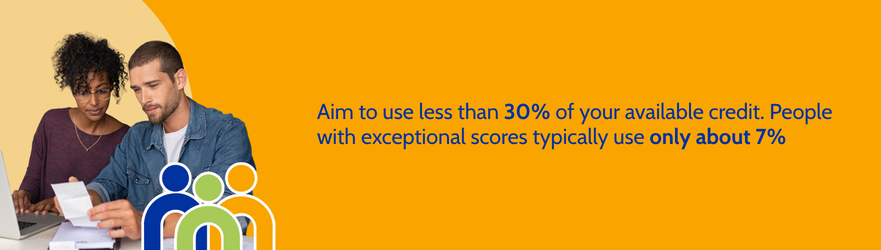
Credit Utilization: 30%
This accounts for 30% of your credit score. Credit utilization means how much credit you have available vs. how much you’re using. If you frequently max out your credit card, it’s going to damage your credit score. The higher your limit and the lower your balance, the better off you’ll be in terms of your credit rating.
Length of Credit History: 15%
Your length of credit history means how long you’ve had different types of credit, and it accounts for 15% of your credit score. Holding on to old credit cards and using them periodically can help improve your credit score.
Credit Mix: 10%
A credit mix makes up 10% of your credit score. It looks at the different types of credit you have, like credit cards, auto or mortgage loans, and student loans. Having a mix of credit shows lenders you can handle different kinds of credit responsibly.
New Credit: 10%
Applying for any type of new credit can reduce your credit score a bit, and it accounts for 10% of your total score. New credit could mean a credit card or a loan application. It could also mean asking your credit card company to increase your limit. Each application normally causes a small, temporary dip in your score. The effect usually fades after a few months, especially if you avoid applying for other types of credit for a while.
How to Build Credit from Scratch
It can take time to establish credit, especially if you’re just starting out in life or rebuilding credit after a financial setback. Credit building tips include having your name added to someone else’s account, using a co-signer for loans, having your rent reported to the credit bureaus, and using secured credit cards.
Join Someone Else’s Credit Card
Many young people receive their first credit card when one of their parents makes them an authorized user on the parent’s account. The child receives a credit card with their own name on it, but the account number belongs to the parent who is ultimately responsible for paying the bill. It’s not only convenient for the parents, as it makes it easy for the child to run errands for them; it can also benefit the child in case of an emergency. If the parent has a good credit score and pays their bills on time, that credit card can help the child establish credit in his/her own name.
Obtain a Cosigner
If you’re having trouble obtaining a loan or a credit card, consider asking a relative to be a cosigner on an application. If your cosigner has a good credit rating, this cannot only help you obtain credit, it can also have a positive impact on the interest rate you’ll receive. As helpful as this can be, it’s not a decision to be taken lightly. If you’re unable to make the loan or credit card payments, your cosigner would be responsible for covering your debts.
Use Your Rent to Build Credit
Many landlords check potential renters’ credit rating as part of a background check before granting them a lease. If you fail to pay your rent on time, your landlord could report this to the credit bureaus—but paying your rent on time probably wouldn’t be reported to the credit agencies. It’s an odd quirk of the housing and credit markets, but there is a way you could use your timely rent payments to build credit.
You could sign up for a credit reporting service that will notify the credit bureaus that you pay your rent on time. This would require you to pay a monthly fee, and your landlord or building manager would have to agree to participate. If this would be helpful in your situation, start by asking your landlord if they’d be willing to do this and if there are any credit reporting services that they’ve used. You could also compare fees among the different services and make sure that whichever service you use reports to each credit bureau, as some of them don’t report to all three.
Use a Secured Credit Card
A secured credit card works just like a regular credit card, except it is secured by funds on deposit in an account and your spending credit limit is limited to the account balance. Obtaining a secured credit card and paying these bills on time can help you establish credit because your payments are reported to the credit agencies.
Having a secured credit card is not the same as a prepaid debit card, and they’re often confusing. A prepaid debit card is just like a gift card, as you would deposit funds onto the card and you could only spend whatever is on the card, minus any fees involved. This would not help you build credit as this information isn’t reported to the credit bureaus.
Use a Secured Loan
With a Share Secured Loan, you could establish or rebuild your credit score. It’s a type of personal loan, that uses your Neighbors Savings Account as collateral. This can give you a better interest rate than you would receive from a credit card or an unsecured personal loan. A secured loan also has less stringent credit requirements than other types of loans, so they’re easier for those with new or less-than-perfect credit scores to obtain.
How to Improve Your Credit Score
One of the biggest ways to improve your credit rating is to pay all your bills on time, as this is the number one factor in determining your credit. Because credit utilization is the second most important item, keeping your credit card balance as low as possible will also boost your credit. A general rule of thumb is to keep your credit card balance at less than 30% of your credit card limit. For example, if your credit card has a limit of $10,000, try to keep your balance at $3,000 or less.
Even if you acquire any new credit cards, it’s important to hold on to your existing credit cards and to use them occasionally, to keep them active and in good standing. This can help your credit score because it’s part of your available credit, which improves your credit utilization ratio. It also adds to your length of credit history, which also helps your score.
You should also make a habit of checking your credit report at least once per year, or preferably a couple of times per year. It doesn’t have any impact on your credit score, but it can help you keep track of how you’re doing. It can also serve as a reminder that you need to watch your credit usage to improve your score. Another advantage is that if you see any accounts or loans you don’t recognize, it could be a sign of identity theft which you would need to address as soon as possible.

Common Credit-Building Mistakes to Avoid
Failure to Pay Bills on Time
One of the biggest reasons that people see a downgrade in their credit rating or have trouble obtaining credit is by failing to pay their bills on time. Making a bill or loan payment a couple of days late now and then probably won’t have much impact on your credit if you still managed to pay your bill in full, as the credit bureaus usually aren’t notified unless a bill or a loan payment is more than 30 days late. Late payments can be a drag on your credit and remain on your credit reports for seven years.
Maxing Out or Closing Credit Cards
Maxing out one or more credit cards and bumping up against your spending limit is another key reason for poor credit because it increases your credit utilization ratio.
Closing out unused credit cards could hurt your length of credit history and your credit utilization ratio.
Applying For Too Many Loans at Once
Applying for too many loans, credit cards, or credit limit increases within a short timeframe will also reduce your credit and this information will become part of your credit history.
How Long Does It Take to Build or Improve Credit?
If you’re starting from scratch and trying to establish credit for the first time, it usually takes about six months for someone to achieve a credit score at any level. Don’t get discouraged if you start off with a relatively low score, because building and maintaining good credit is an ongoing process. If you’re rebuilding your credit after a financial setback, this might take longer for you to achieve a good credit score, but following the steps we outlined above can help you achieve good credit over the long run.
Build a Stronger Financial Future with Neighbors Credit Union
We encourage our members to review their credit scores and their household budgets on a regular basis, and consider our Secured Credit Card or Shared Secured Loans as a way to build a good credit rating. You can also check out additional budgeting resources on our Neighbors blog. Please contact us to schedule an appointment or become a member.