

A credit card offer arrives promising thousands of bonus points. Later, you see an ad for another card with a low interest rate. Then a friend tells you that he used a secured card while establishing credit. Which one is the right choice for you? That depends on what you need the card to do.
For Neighbors Credit Union members and others across Greater St. Louis, learning how to choose a credit card starts with looking at how you actually spend and pay.
Key Takeaways
- Start with your spending habits. Look for card features that fit where and how often you spend.
- Consider your payment habits, too. Paying in full most months makes rewards more valuable, while carrying a balance typically makes a low APR more important.
- Compare ongoing APR and fees, not just the introductory offer.
- Check how rewards are earned and redeemed before deciding what a points program is worth.
- Look for fraud protection and easy-to-use account-management tools.
Why Your Spending Habits Should Guide Your Choice
Before you compare credit cards, review a few months of your purchases. Notice which expenses appear regularly and where you spend the most. Your everyday spending patterns are a better guide than benefits tied to purchases you rarely make.
Also consider how often you expect to use the card. A card reserved for occasional purchases serves a different purpose than one you’ll use for routine expenses. You’ll find the best credit card for spending habits like yours by matching your normal budget to the features that support it.
Key Features to Compare Before Applying
Once you understand how you’ll use your card, let’s look at the features and benefits that deserve your attention.
Interest Rates (APR)
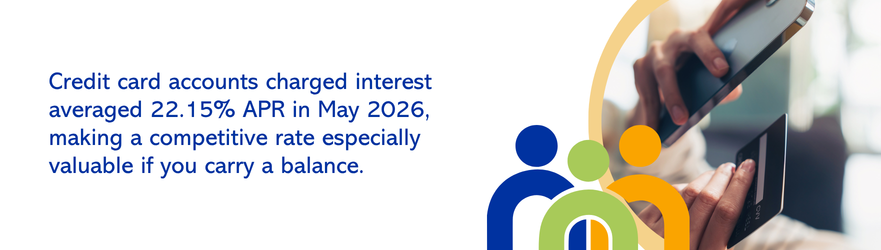
A credit card’s annual percentage rate, or APR, affects how much it costs to borrow when you carry a balance. That rate often differs from the rate on a cash advance or balance transfer. Before applying, review the current disclosures carefully.
Even if you usually pay in full, it makes sense to review the APR. An unplanned expense could leave you carrying a balance longer than expected, so you’ll want to understand the potential cost ahead of time.
Rewards Programs
Rewards cards give you something back on eligible purchases. Don’t stop at the advertised points rate. Find out what the points are worth and how you can redeem them. Check for expiration dates or other restrictions, too.

As tempting as earning more points can be, don’t spend more simply to receive them. Rewards provide the most value when they come from purchases already included in your budget.
Annual Fees
Some cards charge an annual fee in exchange for rewards or other benefits. Consider how often you’ll use those benefits and whether their value justifies what you’ll pay each year to keep the card.
Introductory Offers
Introductory APRs and sign-up bonuses can be useful. Before applying, find out when the offer ends and what terms take effect afterward, especially if you plan to keep the card beyond the promotional period.
Credit Limit and Eligibility
Your available limit depends in part on your credit history, which also affects your APR and your approval odds. Before applying, review your credit reports and dispute any errors you find.
If you’re building toward a stronger score, our guide to understanding your credit score and how to improve it offers advice on steps you can take.
Some cards also have eligibility requirements beyond credit qualifications. Because we’re a credit union, you’ll need to become a Neighbors member before getting one of our cards. Consider what membership entails and which additional products or benefits would be valuable to you.
Security and Account Management
Look for fraud monitoring, transaction alerts, online access, and digital-wallet compatibility. Use alerts to track purchases and payment dates.
Automatic payments can help prevent late or missed payments. Before scheduling one, make sure there will be enough money in your checking account on the payment date.
Which Type of Credit Card Fits Your Lifestyle?
When comparing a rewards credit card vs. low-interest credit card, start with your payment habits. Your credit-building goals deserve consideration, too. Here’s how the three card types differ.
Everyday Rewards Cards
Rewards cards make the most sense when you pay the statement balance in full. Review how rewards are earned and redeemed. A straightforward program you’ll actually use is often more valuable than complicated benefits that don’t fit your life.
Low-Interest Cards
When you sometimes carry a balance, start your comparison with low-interest cards. The interest you save could be worth more than the rewards another card provides.
Credit-Building Cards
A secured card could be a good fit when you’re establishing or rebuilding credit. You provide funds as collateral, then use the card and make purchases much as you would with a traditional credit card.
Secured cards aren’t the same as prepaid cards. Before applying, confirm whether the issuer reports account activity to the credit bureaus. Responsible use can then contribute to your credit history.
Credit Card Comparison Checklist
Before choosing a card, ask:
- Do I expect to pay the statement balance in full?
- What is the ongoing purchase APR?
- Does the card charge an annual fee?
- How are rewards earned and redeemed?
- What happens when an introductory offer ends?
- Does the card offer useful security and account-management tools?
- Does this card support my credit-building goals?
You won’t need every available feature. Focus on the ones that will affect how you manage your finances.

Common Credit Card Mistakes to Avoid
Don’t let a large sign-up bonus or another appealing feature distract you from the card’s ongoing terms. An attractive bonus doesn’t always offset an annual fee or a higher rate. Rewards also lose value when interest charges begin to build.
Once you have a card, avoid:
- Charging more than your budget can support
- Losing track of the payment date
- Making only the minimum payment when you can afford more
- Taking a cash advance without reviewing its APR and fees
- Using too much of your available credit
- Applying for several cards within a short period

Find the Right Credit Card at Neighbors Credit Union
As you compare credit cards offerings, take a look at our three Visa options. Each one supports a different way of spending and paying.
Our Visa Platinum Rewards card earns one point for every dollar spent on purchases. Points can be redeemed through the CURewards program for statement credits, travel, and merchandise, beginning at just 2,500 points.
If keeping interest costs down is your priority, our Visa Platinum offers the lowest credit card rate available at Neighbors.
Our Visa Platinum Secured is designed for members who want to build or improve their credit. It uses funds in a Neighbors savings account as collateral, and those savings continue to earn interest.
All three of our Visa cards have no annual fee. They also include digital-wallet access, customizable automatic payments, online account management, and fraud protection.
Compare our Visa credit card options and apply for the card that best matches your spending habits.
Need additional help? Stop by one of our convenient locations in St. Louis city and the counties of St. Charles, St. Louis, and Jefferson (MO), as well as Madison, Monroe, and St. Clair (IL), or call us at 1-314-892-5400.