
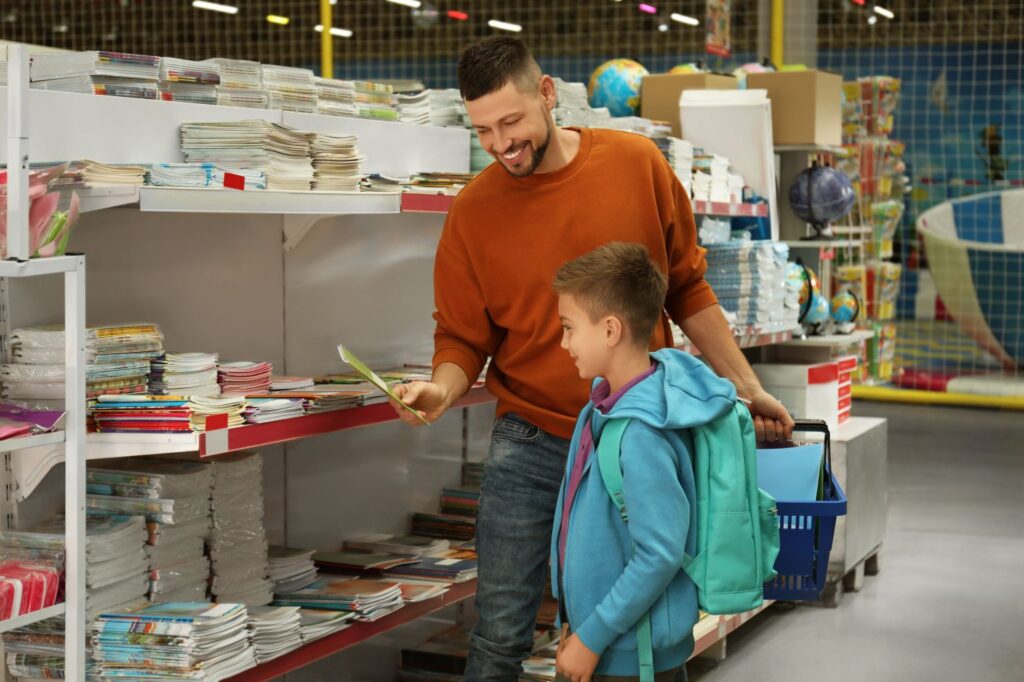
Kids usually dread back-to-school shopping and the end of summer, while parents look for seasonal savings on school supplies to trim their costs as much as possible. With the cost of just about everything higher this year than last, we thought our members could use some family finance steps to put together their back-to-school budget checklists.
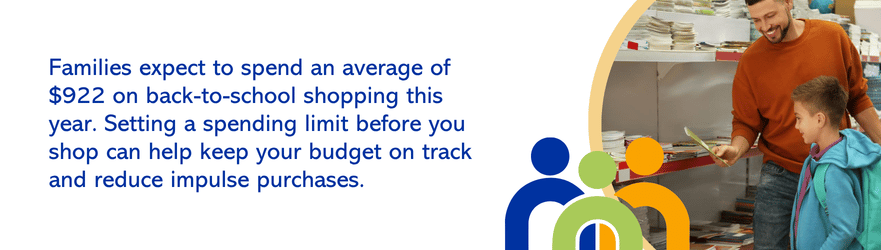
A recent poll by PwC indicated that families expect to spend an average of $922 this year on back-to-school supplies, and 47% plan to spend more than they did last year. Three out of four families are spending at least $100 on shoes and clothing, with an average cost of $270 per household. This is more than twice what they plan to spend on actual school supplies, such as backpacks, pencils, and notebooks.
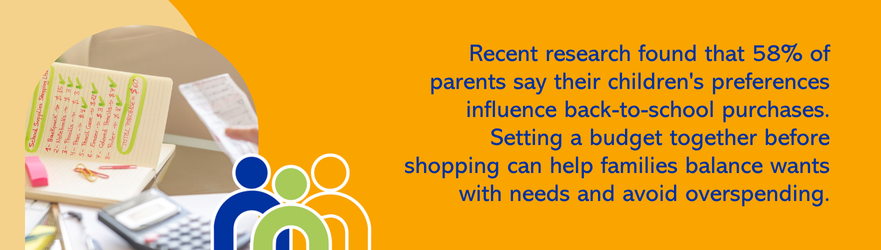
They also plan on spending at least $222 per household on technology such as laptops, tablets, and calculators. The survey also revealed that 58% of parents said their children’s preferences had the most influence on the family’s back-to-school purchasing decisions, with children being influenced by their friends and social media.
Why Back-to-School Costs Add Up Quickly
Many back-to-school items are made in other countries. Import tariffs on those goods make them more expensive for the companies that import them and the consumers who buy them. High oil prices, and especially diesel prices, make transporting these goods more expensive as well. Electronics, such as computers, are impacted by these costs in addition to the rapid construction of data centers, which has increased the price of computer chips, hard drives, and other components.
Create a Back-to-School Budget Before You Shop
Before you can look for school supplies savings, you’ll need to figure out what you need to buy. Putting together a shopping list can help you plan and look for deals, while also reducing the chance of impulse buys if your child sees a “must-have” item online or in a store. The St. Louis Public School District recommends the following school supplies for the 2026 to 2027 school year:
- A full-size backpack, labeled with your child’s first and last name
- Washable markers
- Crayons
- Safety scissors
- Glue sticks
- Extra set of clothing, including shirt, pants, shorts, underwear, and socks
- Nap blanket and small pillow
- Lunchbox (optional) packed with easy-to-open, healthy food choices
Keep these items at home for homework completion:
- Pencils
- Pencil sharpener
- Glue sticks
- Safety scissors
- Crayons
In addition, the following supplies would be appreciated by the district:
- Facial tissues
- Baby wipes
- Hand sanitizer (70% ethyl alcohol)
- Ziploc or similar bags, any size
Helpful tips: label all coats, jackets, hats, and gloves with your child’s name. And, if you have a preschool student place a note card with your child’s name, teacher’s name, PM bus number, and bus stop in their backpack.
Smart Ways to Save on School Supplies
It can be difficult to say “no” to a child, especially if there’s a “must-have” item that “everyone” at school has. Before heading out to shop, set their expectations in advance by showing them your list. You might ask for their suggestions before you do your shopping, so you’ll have time to adjust their expectations and teach them about the difference between “wants” and “needs.” This can also reduce the risk of impulse purchases and give you a chance to look for sales. You should also take stock of what you already have, such as clothes that still fit, pencils, and other items.
St. Louis also has many secondhand and thrift stores where you can search for deals on clothing and other items. Online shopping sites such as Facebook Marketplace may have deals on new and used back-to-school supplies. You can also see if stores have customer reward programs that offer discounts and other perks—and use cashback or rewards credit cards to get something back for what you spend.
Plan for Hidden School Expenses
Schools often charge for students to participate in a sport. Of course, there could also be additional costs for athletic equipment, field trips, and any clubs or organizations a student joins.
Get the Kids Involved in Budgeting
It’s never too early to teach your kids about the importance of budgeting and saving up for an expense. A school shopping list is a good place to start. Make this a two-way conversation where you talk about supplies they need and how the choices they make affect your budget and how much you must spend on other things. Depending on their age, you might encourage them to find ways to save money on school supplies on their own by searching the Internet and taking them to different stores to compare prices. Not only is this a valuable lesson, it can also help when you explain why you can’t buy certain things or need to put spending limits on different items.
How Neighbors Credit Union Can Help Families Save
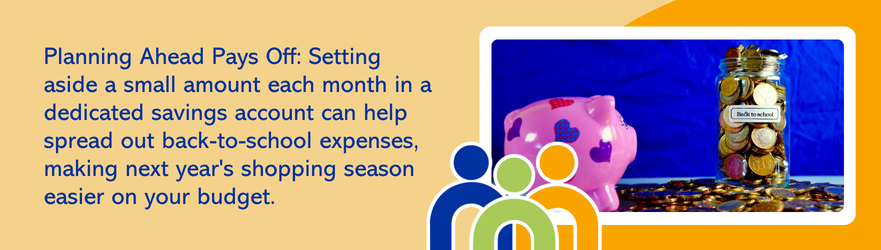
We try to make it as easy as possible for families to save all year, not just during the back-to-school season. That’s why you can open our regular savings account with just a $1 opening deposit—that’s also our minimum balance requirement. We also make it easy for you to manage your account with online and mobile banking.
We’re Here to Help You Through the Entire School Year and Beyond
In addition to our savings account, we also offer five options for checking accounts, including our SMART checking account for students and teens. You can also check out additional budgeting resources on our Neighbors blog. Please contact us to schedule an appointment or become a member.